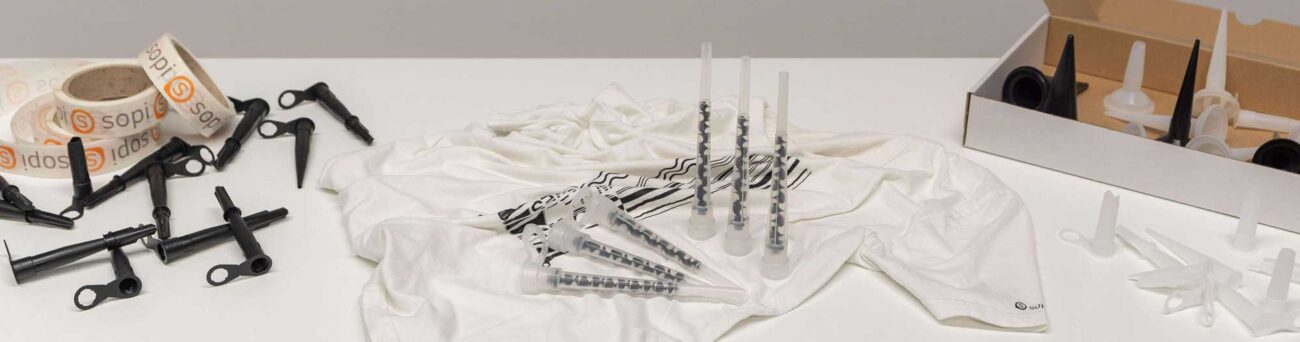
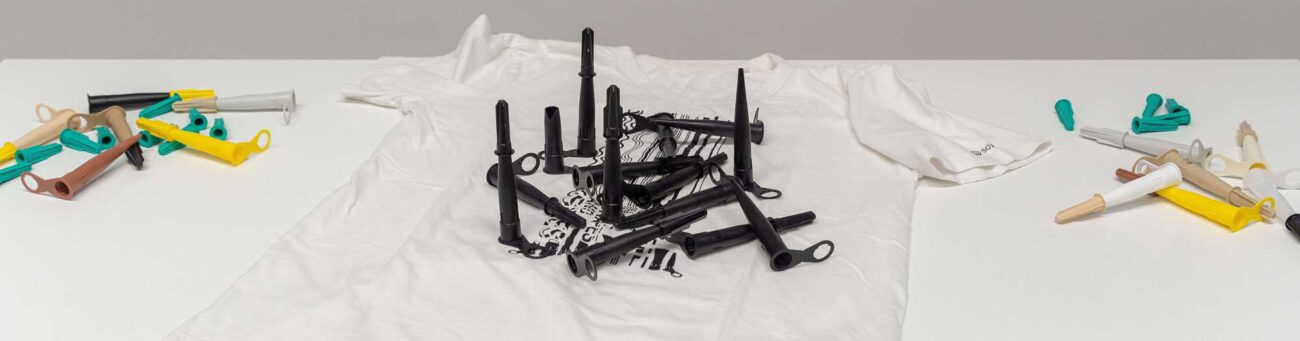
Sausage caulking gun nozzles minimize errors by making the dispensing process more predictable and controlled. They reduce dependence on individual technique by guiding material application through carefully engineered features. Sealants and adhesives often require precise bead profiles to perform correctly. The bead must provide sufficient coverage while maintaining the proper thickness and geometry. The tolerances of caulk gun tips directly influence bead consistency, so they must maintain uniform bead formation throughout the entire production process.
The choice between fine-line and wide-bead caulking tube nozzles largely depends on material viscosity, final structural seal performance, waste reduction, and application requirements. For specialized applications, customized tips are also available to meet unique production needs.
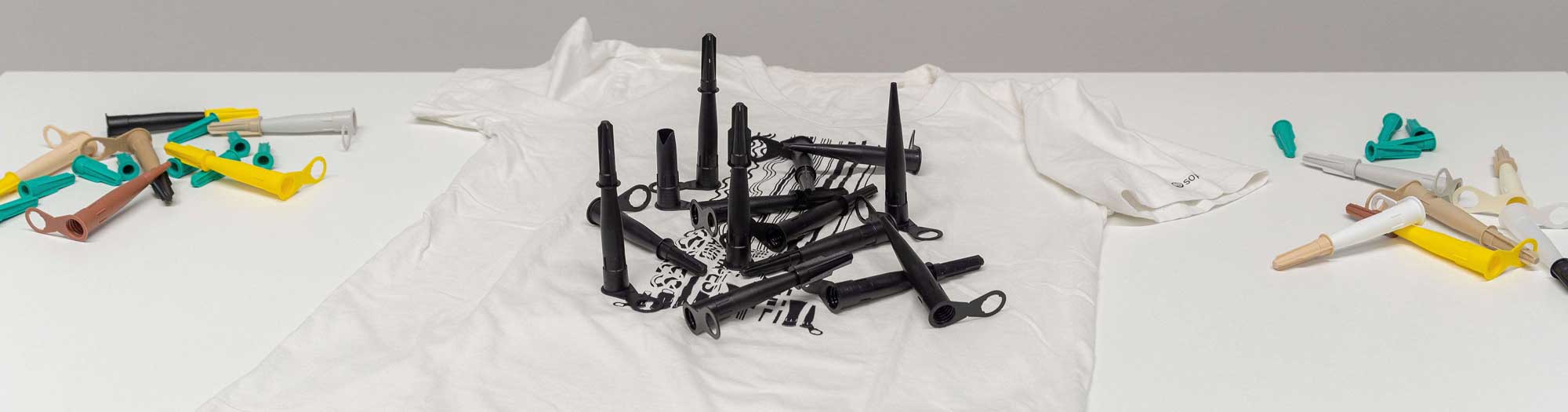
Proper Caulk Gun Tips Minimize Operator Error in Industrial Environments
Caulking tube nozzles reduce the number of decisions professionals must make during application. The equipment you use should support accuracy without introducing unnecessary complexity. In demanding and constantly changing environments with strict quality requirements, the nozzle serves as the final control point between the dispensing system and the work surface.
The tool’s geometry determines how the material exits, how easily the application can be controlled, and how much pressure is required. When the tip design is poorly matched to the application, professionals often compensate with manual adjustments, such as changing dispensing pressure or application speed. These adjustments increase the likelihood of errors.
At Sopi, our goal is to engineer sausage caulking gun nozzles that help reduce application errors. We have developed specialized tools with carefully designed internal channels that promote steady flow and guide adhesives smoothly toward the outlet. Consistent flow helps prevent common application issues such as overfilled joints, gaps, and uneven coverage.
Caulking Tube Nozzles Optimized for Structural Sealant Integrity
Caulk gun tips must be properly optimized to deliver excellent bead quality, adhesion performance, flow consistency, and long-term seal integrity. A well-optimized tool ensures that structural sealants are applied with the correct geometry, uniformity, and pressure. The nozzle begins influencing joint quality the moment material leaves the dispensing system. An optimized tip creates a controlled dispensing process that starts with its internal flow geometry. We optimize the internal design by creating a smooth, gradual transition that guides material efficiently toward the outlet. Stable flow maintains consistent bead geometry throughout the application.
At Sopi, we design bead shape and size according to the specific dimensions and requirements of each application. This directly influences structural performance while providing the required strength, flexibility, and movement capability. Our sausage caulking gun nozzles improve application quality, minimize air entrapment, and support long-term structural reliability.
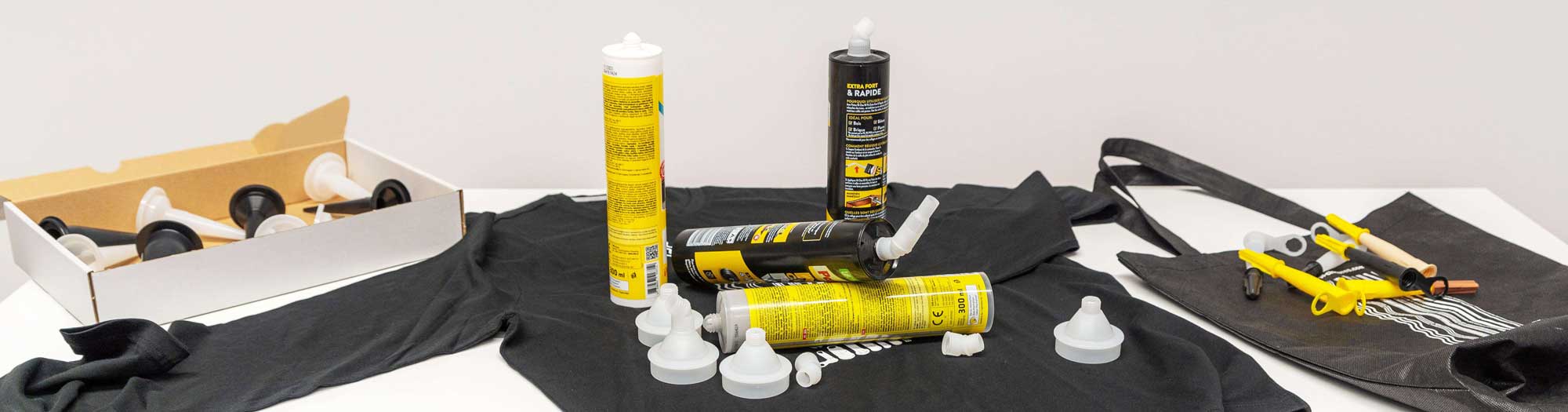
The Impact of Nozzle Tolerance on Repeatability
Sausage caulking gun nozzles play a critical role in achieving consistent dispensing performance. Tip tolerance refers to the acceptable variation in dimensions during manufacturing. These variations may result from molding conditions, material behavior, tooling wear, and other production variables. Clearly defined tolerance limits ensure that every tool performs within an acceptable range. Repeatability, the ability of a process to produce the same result under identical conditions, is essential in industrial dispensing.
Variations in the internal geometry of the tip affect how smoothly material flows through the nozzle. Inconsistent dimensions create additional resistance, causing pressure fluctuations during dispensing. Consistent internal geometry improves repeatability by preventing unexpected changes in material behavior.
As manufacturers, it is our responsibility to minimize variation between production batches. Carefully controlled manufacturing tolerances support stable production and ensure that nozzles from different manufacturing runs deliver consistent performance characteristics. This consistency also reduces material waste, stabilizes flow, and improves overall process control.
The Difference Between Fine-Line and Wide-Bead Caulk Gun Tips
Sausage caulking gun nozzles should always be selected according to the application. Choosing between a fine-line nozzle and a wide-bead tip requires an understanding of application requirements, material characteristics, desired finish, and joint design. The primary difference lies in how each option influences the final seal profile and controls material output.
A fine-line tool features a smaller outlet diameter that produces a narrow, controlled bead. It enables accurate material placement, making it ideal for detailed assembly work, including electronics manufacturing. Fine-line tools are also particularly valuable when working with expensive materials because they help minimize unnecessary consumption.
A wide-bead tool features a larger outlet diameter that delivers a greater volume of material. Properly selected wide-bead caulk gun tips help ensure that joints receive enough sealant to perform as intended. They also reduce the need for multiple application passes, improving productivity while maintaining consistent results.

Customized Caulking Tube Nozzles Maximize Efficiency
Caulking tube nozzles designed for specific applications deliver superior performance because they are engineered around precise operational requirements. Their outlet design, geometry, material properties, and compatibility with specialized compounds all contribute to improved control and reduced waste. They maximize efficiency through accurate bead formation, controlled material flow, enhanced operator control, and ergonomic design.
The correct sausage caulking gun nozzles design allows materials to be applied faster, more cleanly, and with greater consistency. It helps prevent errors, minimizes rework, and supports reliable sealing performance across construction, manufacturing, and other industrial environments.